
Employee liability insurance is not one neat little policy with one neat little definition, and that is exactly why it confuses so many business owners. In plain English, it usually means insurance that helps protect your business when an employee-related problem turns into a lawsuit, a legal bill, or a settlement, and the details depend on which policy you actually have.
What employee liability insurance actually means
Here’s the thing: when you hear “employee liability insurance,” you are usually hearing shorthand, not a formal policy name. In most cases, the term points to employer’s liability insurance, employment practices liability insurance, or both. Sometimes it also gets used loosely for other policies that touch employee-related risk, which is where people start thinking they have coverage they do not actually have.
That matters because these policies solve different problems. One helps when a work injury leads to a negligence lawsuit. Another helps when a hiring, firing, harassment, or discrimination dispute lands on your desk. A third policy might deal with a data breach involving employee records. Same broad theme, very different triggers.
The insurance market itself treats these as separate categories, not one all-purpose product. In fact, EPLI as a subsegment sits inside a much broader liability landscape. So if a quote just says “employee liability,” the first thing to do is slow down and find out what is actually being offered.
The main types of coverage people lump together
Most confusion disappears once you separate the policies by job. Think of it like having different keys on the same ring. They all relate to your workplace, but each key opens a different door.
Employer’s Liability insurance
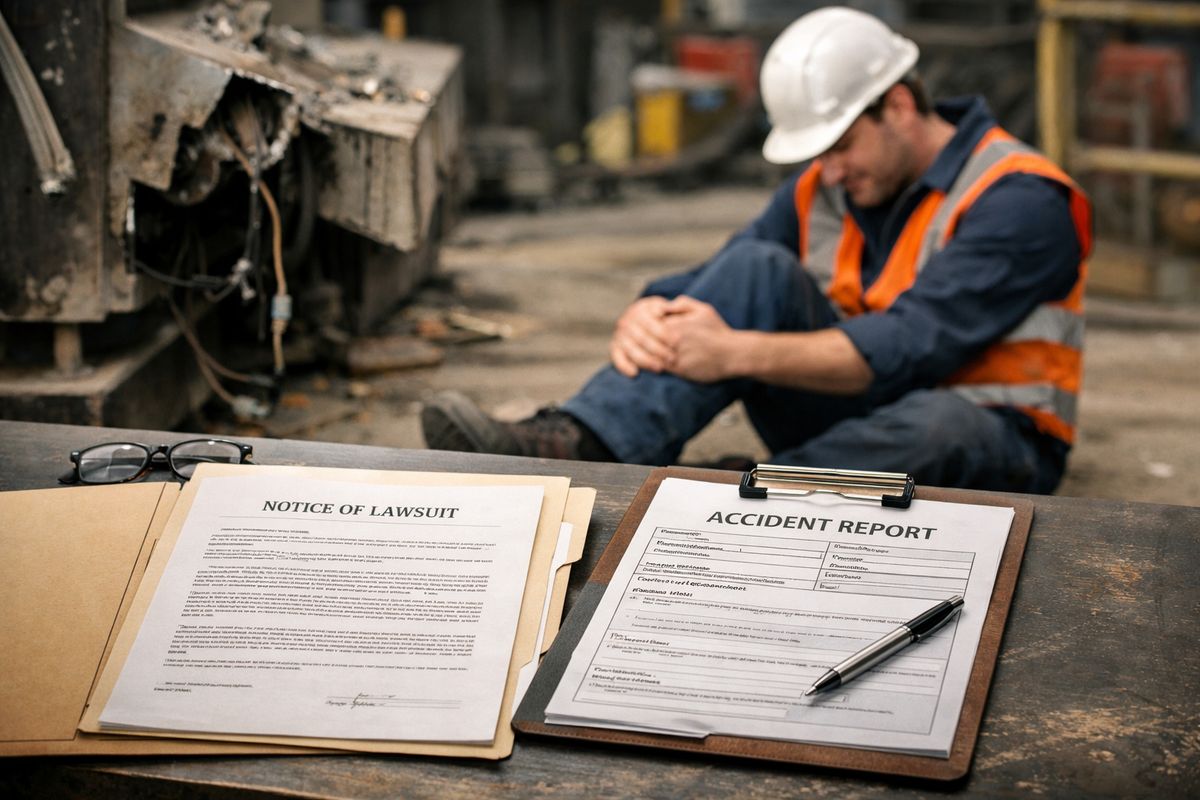
Employer’s liability insurance usually rides alongside workers’ compensation. It is there for situations where an employee says a work-related injury or illness happened because of your negligence, and the claim moves beyond the normal workers’ comp system.
Workers’ comp handles scheduled benefits. Employer’s liability handles the legal fight that sometimes follows.
Employment practices liability insurance (EPLI)
EPLI covers claims about how employees were treated at work. That includes wrongful termination, discrimination, harassment, retaliation, and other disputes tied to hiring, discipline, promotion, demotion, leave, or firing.
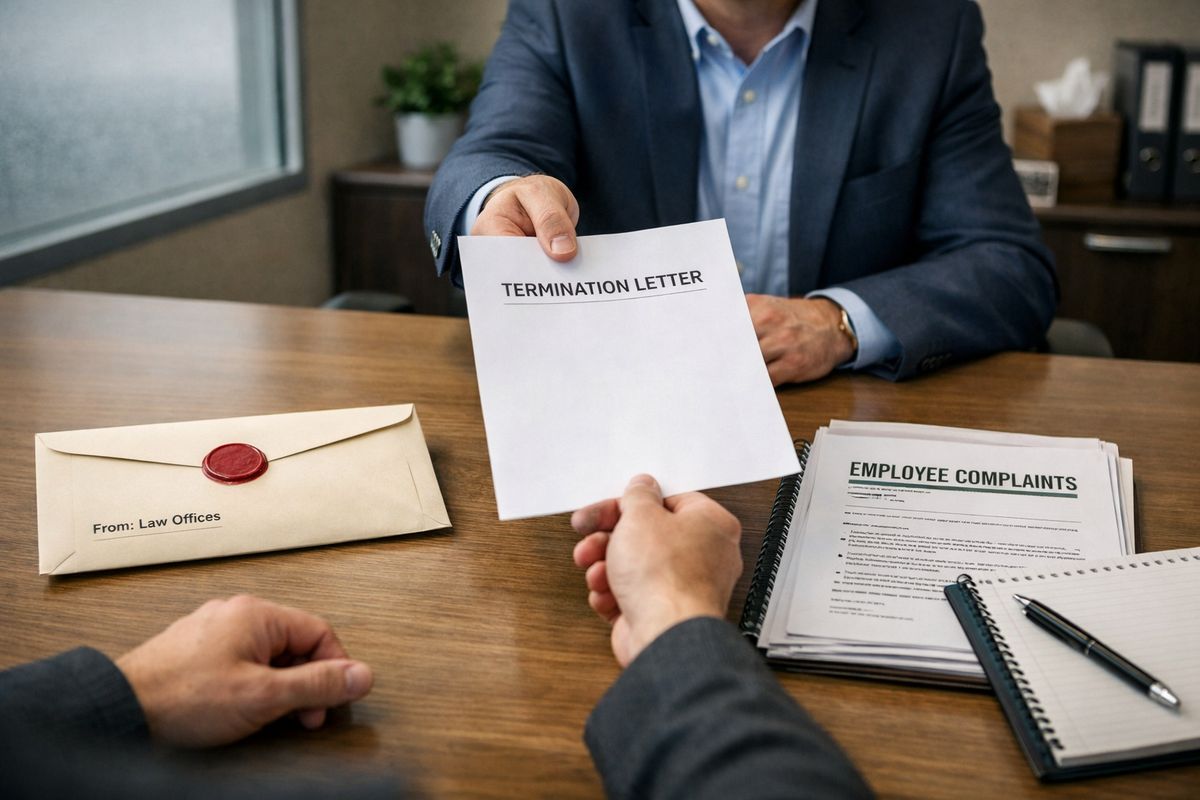
Picture a tense Friday afternoon termination meeting. On Monday, a lawyer’s letter shows up claiming retaliation after a prior complaint. That is the kind of problem EPLI is built for.
Other related policies that may matter
Other policies can overlap with employee-related risk, but they are not substitutes. Professional liability covers claims that your services caused financial harm. Cyber liability can respond to employee data breaches and privacy incidents. D&O insurance can come into play when leadership decisions trigger claims against directors or officers. General liability handles third-party bodily injury and property damage, not most disputes between you and employees.
That broader structure is one reason liability insurance keeps expanding. The overall liability insurance market is growing because businesses need more specialized protection, not less.
What Employer’s liability insurance really covers
When people search for employee liability insurance, this is often what they mean, especially if the issue involves a workplace injury. The catch is that employer’s liability usually matters most after a routine claim stops being routine.
Lawsuits over work-related injury or illness
If an employee gets hurt on the job or develops an occupational illness and then claims your negligence caused it, employer’s liability may help cover attorney fees, court costs, settlements, or judgments, up to the policy limit. The allegation could involve unsafe equipment, poor training, bad supervision, or exposure to harmful conditions.
This is not the same as paying medical bills or lost wages under workers’ comp. It is about responding when the injury becomes a legal liability claim against your business.
Consequential injury and third-party-over claims
Some claims are less obvious. A spouse may sue for loss of consortium after a serious workplace injury. A third party may get pulled into a lawsuit and then turn around and allege your business contributed to the employee’s injury. Those are often called consequential injury or third-party-over claims.
This is where employer’s liability earns its keep. These claims can sit in the gray area just outside standard workers’ comp benefits, which is exactly where many businesses discover what their policy really says.
Why it often works alongside workers’ compensation
Workers’ comp and employer’s liability are partners, not competitors. Workers’ comp usually pays defined benefits automatically after a covered injury, assuming the claim fits the rules. Employer’s liability steps in when someone tries to go around or beyond that system and alleges negligence.
If your business is growing and adding staff, it helps to understand how work injury coverage changes as you hire. A lot of businesses buy the package and never revisit how the pieces work together.
What EPLI really covers in day-to-day business life
EPLI tends to matter in ordinary business moments that suddenly stop feeling ordinary. A hiring decision. A promotion you did not give. A complaint nobody documented well enough. The dispute often starts internally, then turns expensive fast.
Wrongful termination, retaliation, and failure to promote
EPLI commonly covers claims alleging wrongful termination, retaliation, failure to hire, failure to promote, demotion, or unfair discipline. If an employee says a firing happened because a complaint was made, or because leave was requested, or because protected activity took place, EPLI is the policy most likely to be involved.
This area keeps growing. Market research notes 81,000 EEOC filings and ongoing disputes tied to remote work, retaliation, and wage issues, which helps explain why EPLI has become a normal coverage discussion instead of a niche one.
Harassment and discrimination claims
Harassment and discrimination claims are another core part of EPLI. These can involve sex, race, age, disability, religion, pregnancy, national origin, and other protected categories under applicable law. Many cases start with an internal complaint, then become an agency charge or lawsuit if the situation is not resolved.
And honestly, even a weak claim can be expensive to defend. That is one of the biggest misunderstandings about EPLI. People focus on whether they did something wrong. Insurance often matters because defending yourself costs money even when you believe you handled the situation properly.
Wage, leave, and accommodation-related disputes
This is where you need to read carefully. Some EPLI policies offer limited help for wage-and-hour claims, leave disputes, or accommodation allegations, but often only for defense costs, and sometimes only through a small sublimit. Unpaid wages, overtime, meal-break issues, FMLA disputes, or ADA accommodation fights may be partly covered, heavily limited, or excluded.
So no, “employee liability insurance” does not mean every HR problem is insured. That is too broad, and it leads to expensive surprises.
What this insurance usually does not cover
Exclusions are where most surprises live. The marketing summary tells you what a policy is designed to do. The exclusions tell you where the doors slam shut.
Intentional misconduct and criminal acts
Insurance generally will not protect deliberate illegal acts, fraud, or criminal conduct. Some policies may pay defense costs until facts are established, but once intentional wrongdoing is proven, coverage often disappears or gets clawed back depending on the wording.
That makes sense. Insurance is built for risk, not for knowingly breaking the law.
Bodily injury, property damage, and other claims handled elsewhere
Many claims belong somewhere else entirely. Employee bodily injury usually starts with workers’ comp. Third-party injuries and property damage usually fall under general liability. Vehicle accidents go to commercial auto. Service mistakes belong under professional liability.
If your business has drivers, separate employees, and more than one location, one policy can no longer do all the work. That is why businesses often review where auto-related risk fits into the bigger insurance picture as they expand.
Wage-and-hour penalties, punitive damages, and policy exclusions
Wage-and-hour penalties, statutory fines, civil penalties, and punitive damages are frequently excluded or limited, and state law can change how those provisions work. Some policies also carve out prior acts, known issues, union disputes, contract claims, or claims tied to layoffs and restructurings unless specific endorsements are added.
The simple rule is this: if a claim sounds unusually expensive, highly regulated, or punitive, do not assume full coverage exists.
Employee liability insurance vs. workers’ comp, general liability, and professional liability
The names sound similar enough to blur together, but these policies are built for very different exposures.
Workers’ compensation vs. Employer’s liability
Workers’ comp pays defined benefits after a covered work injury or illness. Employer’s liability responds when that same injury leads to a negligence lawsuit or related legal claim outside the normal benefit system.
Think of workers’ comp as the scheduled payment track. Employer’s liability is the courtroom track that sometimes opens next to it.
EPLI vs. general liability
General liability covers third-party bodily injury, property damage, and some personal or advertising injury claims. It does not usually cover disputes about how your employees were hired, supervised, disciplined, or terminated.
That distinction matters because many small businesses carry general liability and assume they are covered for workplace disputes. Usually, they are not.
EPLI vs. professional liability
Professional liability covers claims that your advice, service, or professional work caused financial harm. EPLI covers claims that your employment decisions or workplace conduct harmed an employee or applicant.
If a client says your consulting advice cost money, that is professional liability. If an employee says a promotion was denied for discriminatory reasons, that is EPLI.
Who usually needs this coverage most
The moment you supervise people, liability risk starts. It does not wait until you have a giant HR department.
Businesses with employees, managers, or seasonal staff
Retail stores, restaurants, contractors, property managers, healthcare offices, and regular office-based businesses all face employee-related liability. Seasonal hiring makes this even trickier because rushed onboarding and inconsistent supervision create exactly the kind of gaps that lead to claims.
A small property management office in Tampa with one full-time admin and two seasonal maintenance hires can have the same kind of EPLI issue as a much larger company. Size helps, but it does not make the risk disappear.
Employers using subcontractors, temp workers, or remote teams
Borrowed employees, leased workers, temps, gig arrangements, and remote teams can create messy coverage questions. Some policies define covered workers narrowly. Others exclude independent contractors or treat them differently. Misclassification only makes it worse.
If your team now works across state lines, it helps to review how coverage shifts when your workforce crosses borders. Employment rules and claim handling can change faster than your insurance wording does.
Fast-growing businesses and owners handling HR informally
Fast growth creates risk fast. A second location opens. Ten new hires come in over three months. Somebody starts managing people without training. Performance issues get handled by text message. Then a claim arrives.
This is exactly when businesses realize they have outgrown the policy setup they bought earlier. Insurance often lags behind growth because nothing feels urgent until a demand letter lands.
How policy limits, retentions, and sublimits change what you actually get
The policy name matters, but the structure matters just as much. A policy can exist on paper and still leave you with a painful gap.
Limits and defense costs
Start with the limit. Is it $100,000, $500,000, $1 million? Then check whether defense costs erode that limit. If legal fees are inside the limit, every hour your attorney bills reduces what is left for settlement or judgment.
That sounds technical, but the impact is simple. A policy with a $250,000 limit can feel a lot smaller after six months of litigation.
Deductibles, retentions, and consent provisions
A deductible is the amount you owe before insurance pays, though liability policies often use a self-insured retention instead. A retention usually means you handle the first layer of cost more directly before the carrier steps in.
Also check consent provisions. Some policies require insurer approval before settlement. If you settle without consent, coverage can fall apart. Annoying, yes, but common.
Sublimits for high-risk areas
Sublimits are mini-limits inside the main limit. You may have a $1 million EPLI policy but only a $100,000 sublimit for wage-and-hour defense, third-party discrimination, or privacy response. That is why a cheap quote is not always a good quote.
In a softer market, some businesses focus too hard on premium and miss the structure. But lower prices do not reduce exposure. The better move is checking if your limits still match your current risk.
Cyber, privacy, and other newer employee-related liability risks
Employee-related liability is no longer just about slips, terminations, and handbooks. It now runs straight through payroll systems, HR software, and digital screening tools.
Employee data breaches and privacy complaints
Your business may hold payroll records, Social Security numbers, bank details, medical information, and background reports. If that data gets exposed, EPLI alone may not be enough. Cyber liability or specialized privacy coverage may be the policy that matters most.
That matters even more because only 10% of SMEs globally carry cyber insurance, which suggests a huge gap between exposure and protection. Employee records are part of that gap.
AI, screening tools, and digital HR systems
AI hiring tools, resume filters, interview scoring software, productivity monitoring, and automated discipline flags can all create new discrimination or privacy exposure. If software quietly screens out certain applicants in a biased way, your business still owns the problem.
That risk is not theoretical. Insurers already expect claims to grow here, and some coverage language still reads like it was written before these tools became normal.
Why older policies may miss new risks
A policy that looked fine three years ago may not fit your current setup now. New HR platforms, remote work, outsourced payroll, AI screening, and multi-state hiring all change the exposure.
That is why businesses revisit when insurance should be updated after growth or operational changes. The policy you bought for a simpler business may still be active, but that does not mean it still matches reality.
How cost is usually determined
Employee liability insurance cost depends on what your business looks like on paper and how it actually operates day to day.
Factors that affect premium
Common pricing factors include employee count, payroll, industry, claims history, turnover, location, hiring practices, training, handbook quality, management structure, and chosen limits. Healthcare, retail, financial services, and technology often draw closer scrutiny because claim frequency tends to be higher.
A business with high turnover, weak documentation, and prior complaints will usually pay more than one with steady staffing and stronger controls.
Why cheap coverage can leave big gaps
Cheap coverage often gets cheap by shrinking definitions, adding exclusions, lowering sublimits, or raising retentions. Sometimes the quote that looks best upfront becomes the one that hurts most when a claim hits.
Price matters. But in liability coverage, the cheaper option often hides the cost until later.
How to read a policy without getting lost
Most policy reviews go wrong because people start with the glossy summary page. Start deeper.
Start with definitions and named insureds
Look first at defined terms like employee, leased worker, temporary worker, insured, wrongful act, and claim. Then check the named insureds. Are owners included? Managers? Affiliates? Subsidiaries? A second LLC formed last year?
If those definitions are off, the rest of the policy may not help much.
Check the exclusions before the marketing summary
Go straight to exclusions, endorsements, and state-specific changes. That is where the real coverage story lives. The trick is not finding what the policy says yes to. The trick is finding every important way it says no.
That same mindset helps when reviewing personal coverage too, especially if you are comparing home insurance options or looking at flood insurance details. Different line of insurance, same lesson: the fine print decides the outcome.
Review claims-made rules and reporting deadlines
Many EPLI-style policies are claims-made. That means the claim must be made and reported during the active policy period, subject to the wording. Miss the reporting deadline and you can lose coverage even if the underlying allegation would otherwise qualify.
That is one of the least exciting parts of the policy, and one of the most expensive to ignore.
Common questions about employee liability insurance
Is employee liability insurance required by law?
Usually, workers’ compensation is the part more likely to be required by law, depending on your state and employee count. Employer’s liability often comes bundled with workers’ comp. EPLI is usually optional, but optional does not mean unnecessary.
Does it cover former employees?
Often, yes, especially under EPLI. Many claims come from former employees after termination, demotion, or resignation. The key is whether the alleged act happened during the covered period and whether the claim was reported on time.
Does it cover subcontractors or independent contractors?
Sometimes, but only if the policy definitions include them or an endorsement extends coverage. Many policies treat subcontractors differently, and misclassification issues can create a separate problem entirely.
What is the one thing to check first?
Check exactly which policy is being quoted or renewed: employer’s liability, EPLI, or both. The label “employee liability insurance” is too vague to trust on its own.
Can one policy cover every employee-related claim?
No. That is the biggest misconception in this whole topic. Workplace injury lawsuits, discrimination claims, wage disputes, and employee data breaches can all sit under different policies or endorsements.
What changes once you understand this?
You stop buying based on the label and start buying based on the risk. That is the shift that matters. Try one thing before your next renewal: pull out the policy and confirm, in writing, whether you have employer’s liability, EPLI, or both. That one check can save you from the most common and most expensive misunderstanding.